Halloween Damage Font: Spooky Branding for Business
As a small business owner, you know that seasonal marketing is one of the most effective ways to drive engagement and sales. However, creating a cohesive seasonal brand identity often feels like a balancing act between festive fun and professional credibility. This is where Halloween Damage becomes an essential asset in your design toolkit. As a unique display font, it offers more than just spooky aesthetics; it provides a distinct visual voice that can transform your packaging, social media graphics, and promotional materials into memorable customer experiences. When used strategically, this typeface helps bridge the gap between holiday excitement and established brand recognition.
Defining the Visual Personality of Halloween Damage
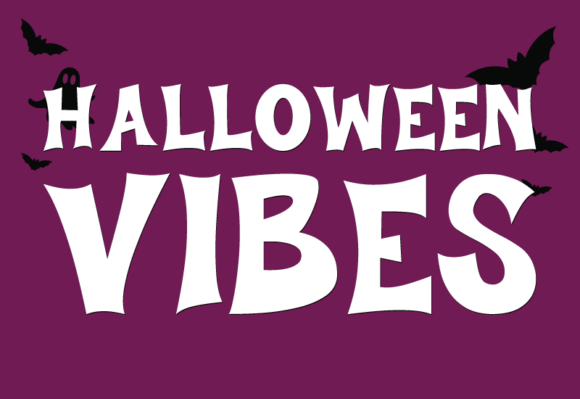
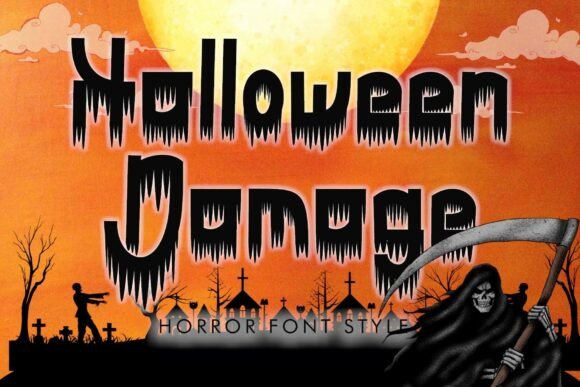
Before integrating any new creative font into your business assets, it is crucial to understand its specific mood and limitations. Halloween Damage is not a subtle background element; it is a bold display font designed to command attention. Its distressed, textured appearance evokes feelings of vintage horror, haunted nostalgia, and playful spookiness. The uppercase and lowercase letters feature irregular edges and weathered details that suggest age and character, while the included numerals and punctuation maintain this consistent gritty aesthetic.
For entrepreneurs, this personality translates directly to brand storytelling. If you run a handmade candle shop, an alternative bakery, a vintage clothing boutique, or an escape room, this font aligns perfectly with your niche. It signals to customers immediately that your products are curated, thematic, and immersive. However, because of its heavy stylization, it functions best as a headline or accent typeface rather than a primary body text font. Understanding this distinction ensures your marketing materials remain readable while still capturing that essential seasonal atmosphere.
Practical Applications Across Business Touchpoints
The true value of a premium font lies in its versatility across different mediums. Halloween Damage shines when applied to high-impact visuals where quick readability and strong emotional connection are paramount. Consider how this typeface can elevate specific business materials:
- Product Packaging and Labels: For limited-edition Halloween treats, artisanal soaps, or seasonal beverages, using this font on the main product label creates instant shelf appeal. The distressed texture mimics the look of aged paper or worn wood, adding perceived value to handmade goods.
- Social Media Graphics: Instagram carousels, Pinterest pins, and TikTok thumbnails rely on stopping the scroll. Using Halloween Damage for short, punchy headlines like "Spooky Sale," "New Arrivals," or "Haunted Menu" ensures your content stands out in crowded feeds without looking generic.
- Event Signage and Menus: Cafés and restaurants hosting themed events can use this typeface for chalkboard menus, window decals, and table tents. The multilingual support is particularly valuable here, allowing you to welcome diverse customers with consistent branding.
- Email Marketing Headers: Seasonal newsletters often suffer from low open rates due to bland subject lines and headers. A custom graphic featuring this font can increase click-through rates by promising a visually engaging experience inside the email.
By applying the same typeface across these varied touchpoints, you create a unified seasonal campaign that feels professional and intentional rather than haphazard.
Balancing Atmosphere with Professional Readability
One of the biggest challenges small business owners face with decorative fonts is maintaining legibility. While Halloween Damage is visually striking, its intricate details can become lost at small sizes or on low-resolution screens. To maintain trust and professionalism, you must prioritize function alongside form. Avoid using this font for critical information such as pricing, ingredients lists, shipping policies, or contact details. These elements require clean, highly readable typography to prevent customer frustration.
Instead, reserve Halloween Damage for titles, logos, and short phrases consisting of three to five words maximum. When designing for mobile screens or small product tags, test the font at actual print size or on a phone before finalizing the design. What looks dramatic on a 27-inch monitor may appear muddy on a 2-inch sticker. If the texture compromises letter recognition at smaller scales, scale up the font size or switch to a simpler variation for that specific application. Remember, if a customer cannot read your price or product name quickly, the aesthetic appeal becomes irrelevant.
Strategic Font Pairing for Cohesive Brand Identity
No font exists in isolation. To make Halloween Damage work effectively within a modern typography system, you need to pair it with complementary typefaces that ground its wild energy. The goal is to let the display font be the star while supporting fonts handle the heavy lifting of communication.
A reliable strategy is pairing Halloween Damage with a clean, geometric sans serif font. The simplicity of a sans serif provides necessary contrast, making the distressed details of the Halloween font pop even more. This combination works exceptionally well for website banners and digital ads where clarity is key. Alternatively, for brands leaning into a vintage or apothecary aesthetic, pairing it with a classic serif font can enhance the nostalgic vibe. The structured elegance of a serif balances the chaotic texture of the display font, creating a sophisticated yet spooky look suitable for luxury candles or high-end confectionery.
When establishing your seasonal brand guidelines, define exactly which font handles which role. For example, specify that Halloween Damage is strictly for H1 headers and promotional badges, while your secondary sans serif handles H2 subheaders and your tertiary serif manages body copy. This systematic approach prevents design inconsistency and speeds up your content creation workflow during busy seasonal periods.
Navigating Commercial Licensing and Usage Rights
As an entrepreneur protecting your business, verifying licensing is non-negotiable. Before using Halloween Damage on any revenue-generating material, confirm that you possess the appropriate commercial license. Display fonts often have different tiers for personal versus commercial use, and some licenses restrict usage based on the number of units sold, impressions, or specific product categories.
If you plan to use this font on merchandise for sale, such as t-shirts, mugs, or stickers, ensure your license covers physical product manufacturing. Similarly, if you are a designer creating templates or branding packages for clients, you likely need a specialized extended license. Digital downloads, web fonts, and app embedding also frequently require separate permissions. Taking the time to review the End User License Agreement (EULA) protects your business from legal complications and supports the type designer who created the asset. Proper licensing is a hallmark of a professional, trustworthy business operation.
Testing Before Full Implementation
Committing to a new typeface across an entire seasonal campaign requires validation. Before printing hundreds of labels or scheduling a month of social posts, conduct practical tests. Print mockups of your packaging at actual size to check texture clarity. View your social media templates on multiple devices to ensure contrast ratios meet accessibility standards. Ask loyal customers or peers for feedback on whether the font enhances or distracts from your message.
This testing phase also helps you determine the optimal spacing and sizing for Halloween Damage. Distressed fonts sometimes require adjusted kerning or increased line height to prevent characters from visually merging. By refining these technical details early, you ensure that every customer interaction with your brand feels polished and deliberate. Ultimately, this font is a powerful tool for differentiation, but its success depends entirely on your thoughtful, strategic application within your broader business ecosystem.